
How Korean Body Fillers Stand Out in the Global Market (2025 Guide)
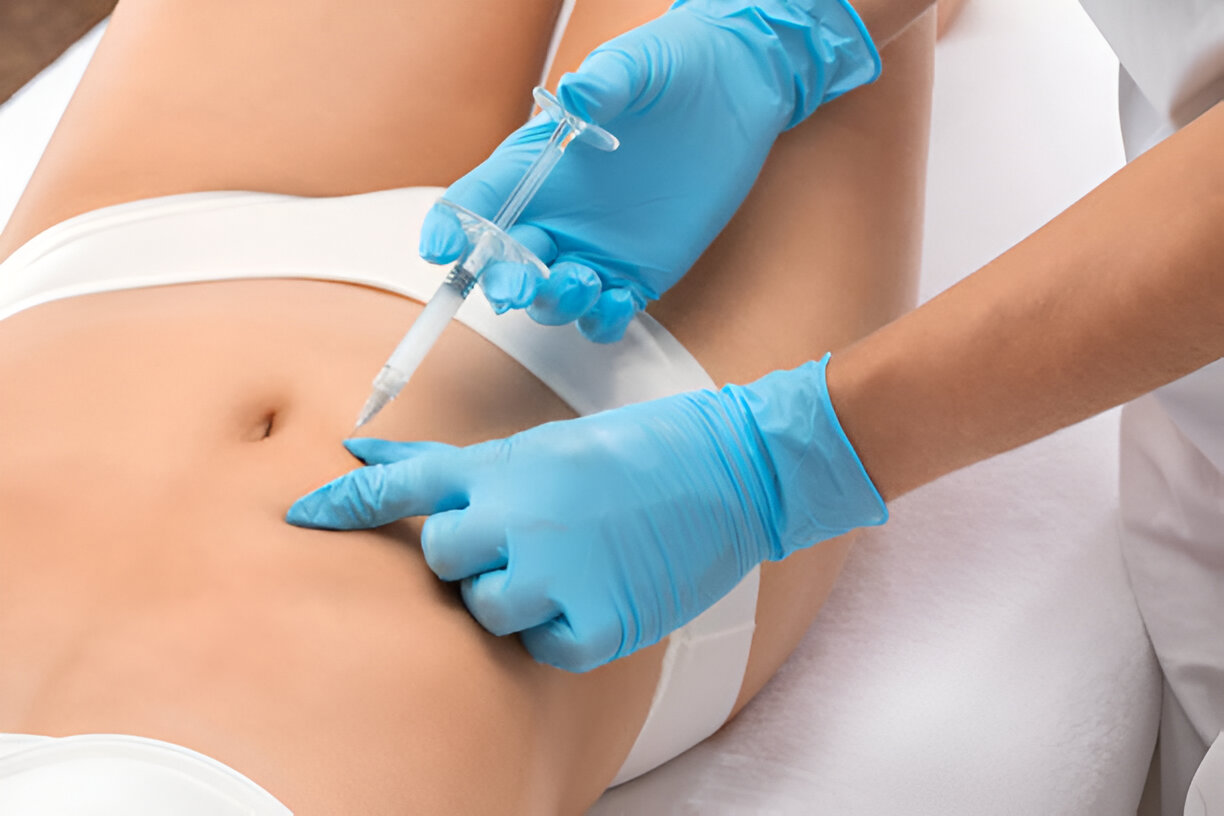
In recent years, the beauty and aesthetics industry has undergone a global transformation, with one country repeatedly taking center stage which is South Korea. Known for setting trends in skincare, cosmetic surgery, and minimally invasive treatments, Korea has now become a global leader in the field of body fillers.
Whether you’re considering enhancing your buttocks, hips, breasts, or other areas, understanding what makes Korean body fillers different from those in other markets is essential. In this 2025 guide, we’ll explore the innovation, safety standards, pricing, and results that set Korea apart, helping you make an informed choice for your next treatment.
The Global Body Filler Market in 2025
The global body filler market is expected to reach multi-billion-dollar growth by the end of the decade. Popular across the United States, Europe, the Middle East, and Asia, fillers have become the go-to solution for non-surgical body contouring.
There are several types of fillers in use worldwide:
• Hyaluronic Acid (HA) Fillers – The most popular option for body contouring.
• Poly-L-lactic Acid (PLLA) Fillers – Known for stimulating collagen production.
• Calcium Hydroxylapatite (CaHA) Fillers – Used for firmer results.
• PMMA Fillers – Semi-permanent and used in specific enhancement cases.
While these are used in many markets, Korean body fillers consistently rank high for quality, safety, and affordability a combination that’s rare in other regions.
Why Korea is a Leader in the Filler Industry
South Korea’s dominance in the filler industry comes down to four main factors:
1. Cutting-Edge Technology
Korean manufacturers invest heavily in R&D, developing fillers with:
• Advanced cross-linking techniques for longer-lasting effects.
• Multiple Swelling Formulation Technology (MSFT) for controlled volume expansion.
• Smooth gel textures for natural results.
2. Strict Safety Standards
All fillers must pass the MFDS (Ministry of Food and Drug Safety) approval process. Many also hold CE marking for Europe, and some meet FDA clearance standards. This level of oversight ensures:
• Minimal impurities
• Non-animal-derived HA
• Excellent biocompatibility
3. Affordability Without Compromise
Compared to the U.S. or Europe, Korean fillers are significantly more affordable while maintaining equal or better quality.
4. Reputation in Medical Tourism
Patients from around the world travel to Korea for cosmetic procedures, trusting the expertise of Korean clinics.
You can check our Beginner’s Guide to Korean Body Fillers here.
Comparing Korean Fillers vs. Overseas Markets
|
Feature |
Korean Fillers |
Overseas Fillers |
|
Price Range |
Affordable (high value for money) |
Higher cost |
|
Safety Standards |
MFDS + often CE/FDA |
FDA/CE |
|
Longevity |
8–24 months |
6–18 months (average) |
|
Texture & Integration |
Smooth, natural |
Varies |
|
Innovation Speed |
Fast adoption of new tech |
Slower adoption |
Affordability
Korean fillers are priced 30–50% lower than equivalent products in the U.S. or Europe — without sacrificing performance.
Formulation Quality
The gel consistency, particle size, and HA purity are often superior, resulting in:
• Smooth integration with tissues
• Reduced risk of lumps
• Longer-lasting results
Patient Experience
Patients report more natural-looking results and less downtime compared to certain overseas products. For a deeper comparison, see Korean Fillers vs Overseas Fillers.

Popular Treatment Areas for Korean Fillers
Korean fillers are versatile and suitable for enhancing:
• Buttocks – Fuller, lifted appearance
• Hips – Smooth hip dips
• Breasts – Natural volume without implants
• Thighs – Balanced proportions
• Calves – Slim or shapely look
Tips: Check our guide to Best Korean Body Fillers for Buttocks & Hips.
The Procedure: What to Expect
1. Consultation
A licensed injector assesses your goals and health history.
2. Preparation
Area is cleaned and numbed with topical anesthesia.
3. Injection
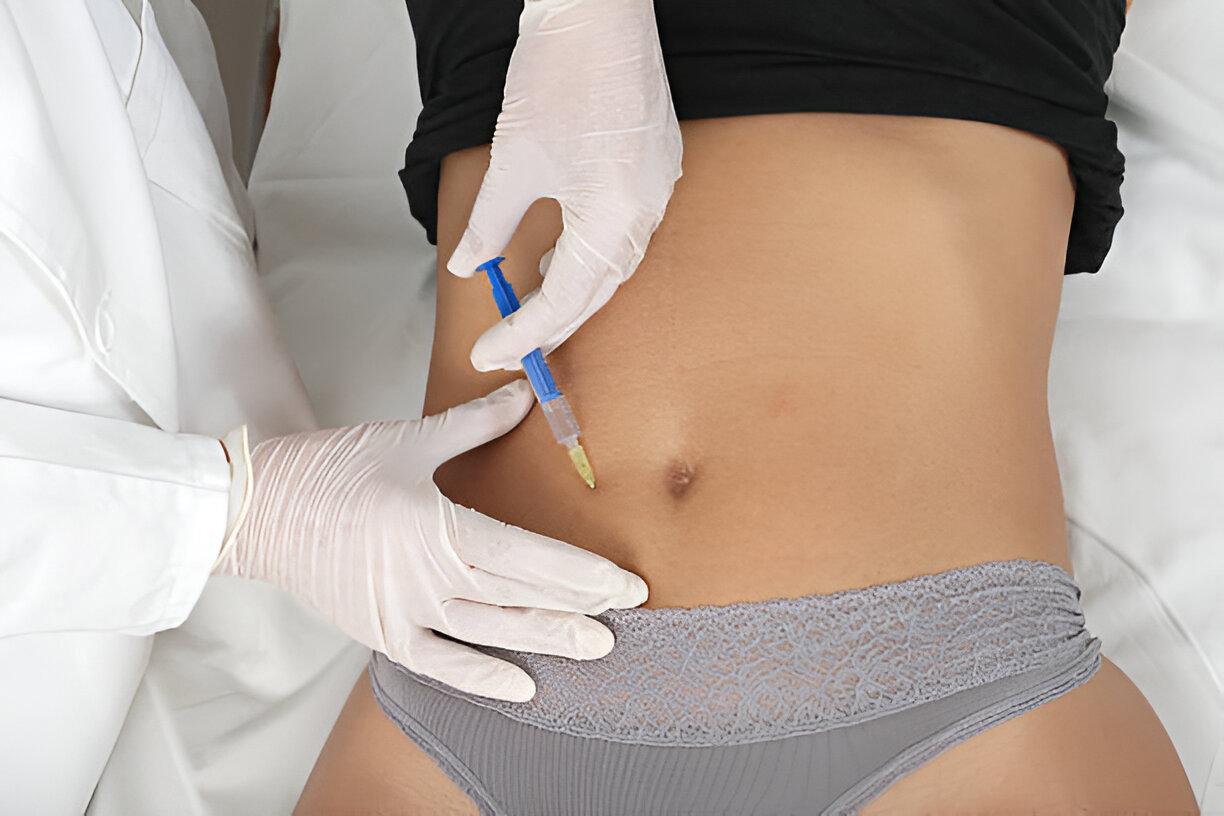
The filler is applied using a cannula or needle for precision.
4. Post-Treatment Care
Avoid pressure on the area and follow aftercare instructions.
Read our guide on how to choose Body Fillers to learn about different types and their uses.
Who Should Avoid Body Fillers
You may not be a suitable candidate if you:
• Are pregnant or breastfeeding
• Have severe allergies or skin infections
• Suffer from autoimmune conditions
• Have unrealistic expectations
Always consult a qualified medical professional before treatment.
Aftercare & Longevity Tips
• Avoid intense exercise for 48 hours.
• Refrain from pressing or massaging the treated area.
• Maintain hydration and a healthy lifestyle.
• Schedule touch-ups when results begin to fade.
FAQs
Korean body fillers primarily contain cross-linked hyaluronic acid (HA), a natural substance found in the human body that retains moisture, plumps tissue, and supports collagen production. The HA is synthetically produced from non-animal sources and cross-linked to enhance stability and longevity. The exact formulation may include lidocaine for comfort and phosphate-buffered saline for consistency.
Results vary between 8–24 months depending on the brand, injection site, filler viscosity, patient metabolism, and activity level. Higher-viscosity gels in areas like the buttocks tend to last longer than softer gels in high-movement areas.
Many are MFDS-approved in South Korea. Some brands also have CE certification for Europe or FDA clearance for U.S. markets, but not all. Regulatory compliance depends on the target export market, so always confirm documentation with your provider.
Selection depends on treatment goals, target area, budget, and longevity expectations. Thicker gels are ideal for volume and projection, while softer gels provide smoother contouring. Consult a licensed injector familiar with multiple brands.
Yes, HA-based fillers can be dissolved using hyaluronidase — an enzyme that breaks down HA safely in the tissue. This reversibility is an important safety advantage compared to permanent fillers.
The amount ranges from 200–400 mL per side for full shaping, though smaller volumes may be used for subtle corrections. The number of sessions will depend on desired outcome and injector strategy.
Avoid direct pressure for 24–48 hours to help the filler settle. Some practitioners recommend cushioned seating or side-lying positions for comfort.
Most Korean body fillers are formulated with cross-linked hyaluronic acid (HA), a naturally occurring sugar molecule in the human body that binds water to create volume and hydration. The cross-linking process strengthens HA molecules, allowing them to last longer in the body compared to non-cross-linked HA found in skincare products. Many Korean brands also refine their HA using advanced purification technology to remove proteins and endotoxins, minimizing the risk of allergic reactions. In some cases, fillers may also include lidocaine to reduce discomfort during injection.
The longevity of results depends on the filler type, treatment area, injection depth, and your personal metabolism. On average, Korean body fillers can last anywhere from 8 to 24 months. High-density fillers injected into low-movement areas (like buttocks or hips) often last longer than fillers placed in high-mobility regions. Lifestyle factors—such as intense physical activity, smoking, or high metabolism—can shorten duration, while proper aftercare and avoiding excessive pressure on treated areas can extend results.
Many Korean body fillers are approved by the MFDS (Ministry of Food and Drug Safety), which has one of the strictest cosmetic safety approval systems globally. Some products also carry CE marking for sale in Europe or FDA clearance for use in the United States. However, not all brands pursue FDA or CE certification due to cost and regional market focus. Always confirm with your clinic whether the filler they use is MFDS-approved and, if applicable, certified for your region.
Korean fillers are known for stringent manufacturing standards and advanced purification methods. The MFDS requires extensive laboratory testing, clinical trials, and manufacturing facility inspections before approval. In many cases, safety standards in Korea match or exceed those in the US and EU. Korean fillers also benefit from the country’s heavy investment in R&D, ensuring high-quality products at competitive prices. The consistent track record and widespread use in both domestic and international markets highlight their strong safety profile.
Yes. Since most Korean body fillers are hyaluronic acid-based, they can be safely dissolved using hyaluronidase, an enzyme that breaks down HA quickly. This makes the procedure low-risk and allows corrections if there’s asymmetry, overfilling, or patient dissatisfaction. Dissolving can also be used in the rare event of a complication like vascular occlusion. However, this should always be done by an experienced medical professional.
The volume required depends on the desired enhancement, current body shape, and filler density. For noticeable shaping of the buttocks, most patients need between 200–400 mL per session, sometimes more for dramatic results. Hip dips may require less—often 40–100 mL per side—to create smoother curves. Your injector will assess symmetry, projection goals, and skin elasticity before recommending an exact amount.
Yes, Korean body fillers can be combined with treatments like skin tightening (radiofrequency, HIFU) or fat grafting to enhance results. However, combinations should only be done after professional assessment to prevent complications. In many cases, it’s recommended to space treatments by several weeks to allow swelling to subside and to properly evaluate filler integration. Always follow your provider’s timeline to ensure optimal safety and results.
Conclusion

Korean body fillers stand out in the global market due to their innovation, safety, affordability, and natural results. If you’re seeking a treatment that blends science, artistry, and value, the Korean filler industry offers unmatched options.
Next Step: Explore our full range of fillers at Body Filler Korea and consult with a licensed provider to choose the right option for you.