
How Long Do Body Fillers Last? Explore the Complete 2025 Guide to Korean Filler Longevity & Maintenance
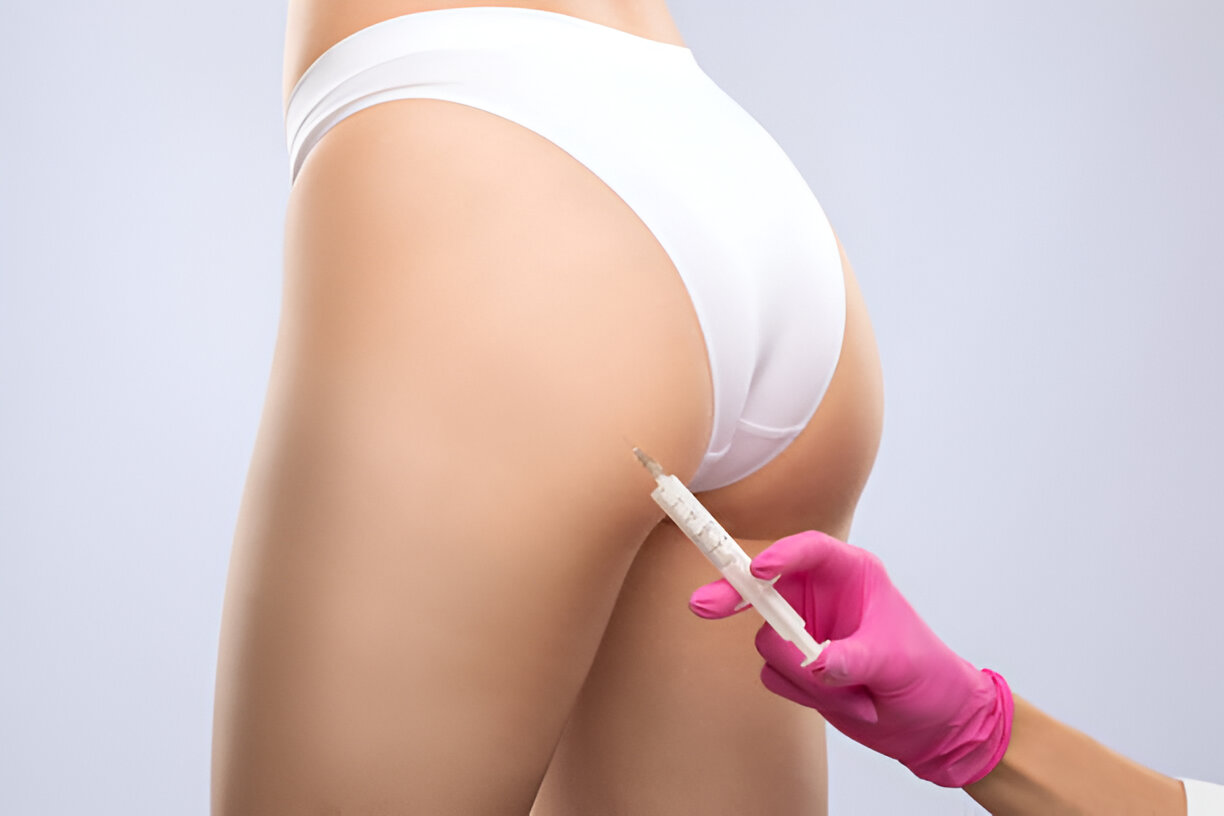
Thinking about getting body fillers? Developing an interest in body fillers makes you want to know how long they last, which can make the experience worthwhile. It’s a smart question, because understanding filler longevity helps you plan your budget, schedule touch-ups, and keep. your results are looking their best.
In this guide, we’ll focus on Korean body fillers, known for their advanced formulations, affordability, and natural-looking results, and break down exactly how long they last, what affects their lifespan, and how to maintain them. If you are new to body fillers? Check out our complete introduction to Korean body fillers first.
What is the Average Lifespan of Korean Body Fillers by Treatment Area?
Not all fillers last the same amount of time. Factors such as body area, filler type, and volume injected make a significant difference. For example, firmer fillers last longer in less mobile areas, while softer fillers in high-motion zones may fade faster. Also, the best Korean body fillers for buttocks, mostly hyaluronic acid (HA)-based, generally last 8–24 months. However, there are specific durations for different treatment areas, such as the following:
Body Area | Average Duration | Why It Differs |
Buttocks | 18–24 months | Uses high-density, highly cross-linked fillers; less facial-like movement means slower breakdown. |
Hips | 12–18 months | Moderate mobility; filler supports shape correction and hip dip filling. |
Breasts | 12–18 months | Softer gels for a natural feel; moderate movement from daily activities. |
Thighs | 10–14 months | Constant movement from walking and exercise leads to slightly faster absorption. |
Calves | 8–12 months | High muscle activity accelerates breakdown. |
What are the Factors That Affect Korean Filler Longevity?

Longevity isn’t just about the product—it’s also about how your body interacts with it. Here’s what matters most:
- HA Concentration & Cross-Linking Density
- Higher HA concentration = more structure & water retention.
- Cross-linking refers to how tightly HA molecules are bonded. More cross-linking makes fillers denser and slower to break down.
- Body fillers for buttocks or hips often have very high cross-link density compared to facial fillers.
- According to clinical studies about the degradation of fillers, they are concluded to be dependent on the product and other factors, but generally last for 2 years.
- Body Movement & Injection Site Mobility
- Fillers in high-motion areas (calves, thighs) degrade faster because of constant compression and stretching.
- Areas like the buttocks have less repetitive high-pressure movement, so fillers last longer.
- Patient Metabolism & Lifestyle
- Faster metabolism = faster filler breakdown.
- High levels of exercise, heat exposure (saunas, hot yoga), or rapid weight loss can shorten filler life.
- Smoking and poor hydration may also impact longevity.
- Aftercare Discipline
- Following post-procedure guidelines (avoiding pressure, wearing compression garments if advised) can extend results.
- Sleeping in certain positions can help (more on that in expert tips).
What are the Suggested Filler Maintenance Tips After Treatment?
After a body filler injection, there might be minimal physical side effects such as redness, swelling, or mild bruising. For these side effects, a few aftercare treatments can help subside it quickly. Also, aftercare is essential for the long-term effects of the body filler, as it helps the treatment last longer, along with maintenance sessions, if required. If you want your results to stay consistent, maintenance is key. Aftercare treatment offers multiple benefits, such as avoiding extensive and costly repeat injections. It can maintain the effects, such as enhanced skin elasticity in the treated areas. Here are a few Korean filler maintenance tips that can be done after body filler injection. Common Approaches are the following:
- Quarterly touch-ups: Small-volume top-ups every 3–4 months help keep shape consistent without waiting for a complete breakdown.
- Annual top-ups: For long-lasting fillers, a yearly session is often enough.
There are benefits when maintaining the treatment sessions regularly, such as avoiding large, costly re-injections and maintaining skin elasticity in treated areas. Here are also expert tips on how to maximize Korean Filler Longevity:
- Stay Hydrated – HA binds to water, so drink plenty of fluids daily.
- Avoid Direct Pressure – Don’t sit or sleep on freshly treated areas for the first week.
- Moderate High-Impact Exercise – Reduce running, jumping, and heavy lifting for 2–3 weeks post-procedure.
- Healthy Diet – Support skin health with collagen-rich foods, vitamins, and protein.
- Follow Aftercare Instructions – Your injector’s guidelines matter more than online advice.
Signs It’s Time for a Touch-Up
It is essential to know when a maintenance session is needed. First, schedule a follow-up before the results are entirely gone, which makes touch-ups easier and more cost-effective.
Watch for these cues that your filler may be wearing off:
- Visible loss of volume or shape
- Clothing fit changes (hips or buttocks appearing flatter)
- Asymmetry that wasn’t present after your last treatment
- Filler feels softer or less supportive under the skin
However, overfilling and waiting too long between sessions may pose risks. Overfilling can cause unnatural shapes, discomfort, and skin stretching. While waiting too long between touch-ups may require larger volumes to restore shape, it increases cost and downtime.
Thus, balanced maintenance is the safest, most effective route.
Are Korean Fillers Longer-Lasting Than Others?
To say the least, yes, in many cases. However, longevity still depends more on placement, lifestyle, and aftercare than on brand alone. But, here are a few reasons why Korean body fillers are unique in duration compared to others, such as the following:
- Innovative HA technology: Korean fillers often use advanced cross-linking processes for slow, even breakdown.
- Custom formulations: Ranging from ultra-soft to ultra-firm gels tailored for specific body zones.
- High volume sizes: Many Korean fillers come in 50–200 mL syringes, reducing the need for multiple sessions.
FAQs
Yes, some high-density fillers in low-mobility areas (like buttocks) can last 24 months or more, but most people need touch-ups around 12–18 months.
Generally, yes—body fillers are denser, and certain areas have less constant facial-like movement.
Intense, high-impact activity may accelerate breakdown, especially in high-motion zones like calves or thighs.
Conclusion
How long do body fillers last? For most people, Korean body fillers provide beautiful results for 8–24 months, depending on the area, product type, and lifestyle.
The secret to long-lasting results isn’t just the filler—it’s choosing the right product, the right injector, and following the proper aftercare. It is crucial to determine the quality and authenticity of a body filler. Hence, we curate only the clinically proven and MFDS (Ministry of Food and Drug Safety) approved products. The official MFDS site outlines their responsibilities in regulating cosmetics and medical devices, including dermal fillers. Here is a link to regulations, evaluation processes, and required documentation for products, reinforcing MFDS’s oversight role. Explore our best Korean body fillers for buttocks and a guide to choosing the right body filler for more insights.